

lifestyle
NDDC Partners UNIPORT to Empower Niger Delta Youths Through Film Production Training

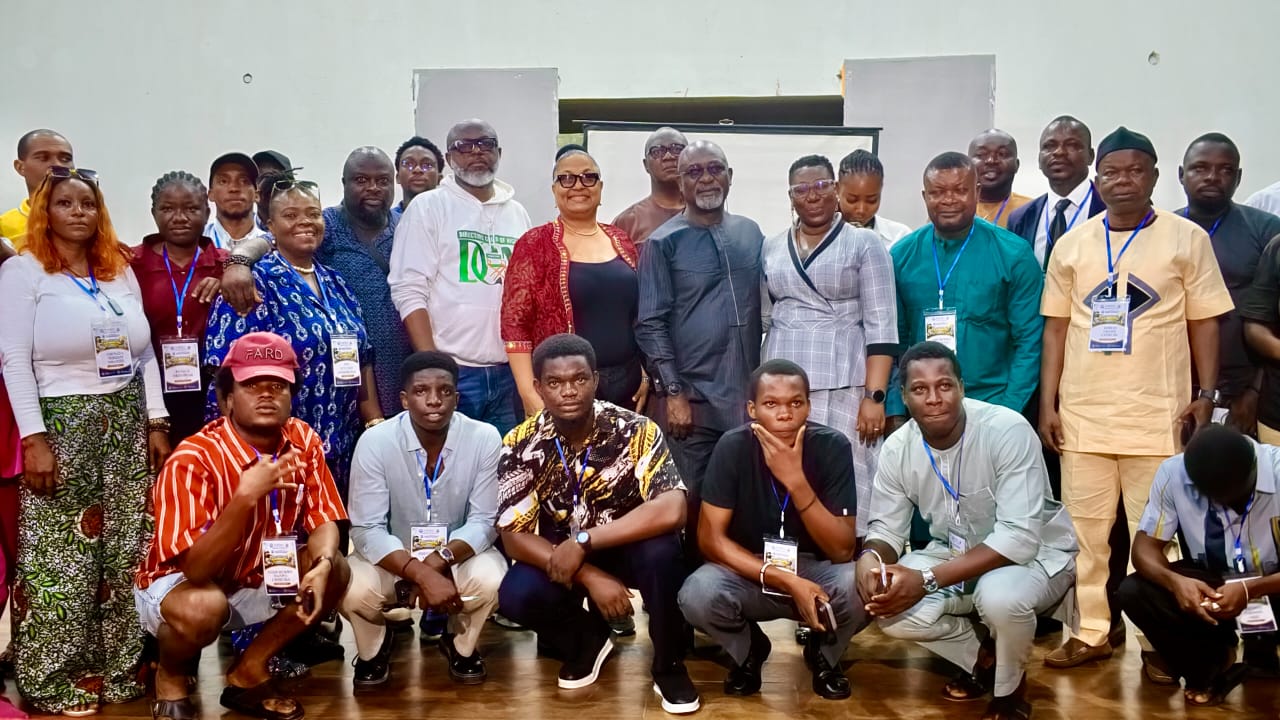
The Niger Delta Development Commission, NDDC, has said it is collaborating with the University of Port Harcourt to promote the growth of the creative industry and advance sustainable development in the Niger Delta.
The partnership was highlighted during a four-day technical training programme in film production for filmmakers in the region, held at the Theatre Arts and Film Studies auditorium, University of Port Harcourt.
Speaking at the event, the Head of New Media, Corporate Affairs Department of NDDC, Dr Selina Dan-Albert, said the Commission is committed to building the capacity of Niger Deltans by exploring opportunities to empower young people with relevant skills in the creative sector.
Dan-Albert noted that the training is aimed at inspiring greater interest in filmmaking as a viable career and source of livelihood, describing it as a worthwhile investment in the future of the region’s creative industry.
She urged participants to take full advantage of the training to build their professional skills and establish themselves in the film industry, while also using their creativity to tell authentic stories about the Niger Delta.
According to her, NDDC will continue to support initiatives that improve the skills and professional capacity of youths in the creative industry.
In his remarks, the Head of Department, Theatre Arts and Film Studies, University of Port Harcourt, Professor Edward Imo, said the programme was designed to equip participants from the Niger Delta and across Nigeria with technical skills required for filmmaking and effective storytelling.
Imo described the collaboration with NDDC as a sign of greater opportunities ahead, commending the Commission for recognising the department’s contributions to practical film production.
He said the department has abundant human resources and professional expertise, including talents with experience in the Nigerian film industry, adding that the training will further strengthen the creative sector.
He also noted that while artificial intelligence and other digital technologies can enhance storytelling, filmmakers must ensure their works continue to reflect human experiences, emotions, aspirations and societal concerns.
He urged participants to use emerging technologies responsibly to communicate important social issues and contribute to societal development, and called on other government agencies to emulate NDDC’s investment in human capital development.
The Consultant and Managing Director of GreenHedge Resource Consults Limited, Mr Francis Abayomi, said the Niger Delta has immense opportunities for growth in creative industries, and the training was designed to equip young people with practical filmmaking skills.
Abayomi explained that the Department of Theatre Arts and Film Studies, UNIPORT, was selected because of its talent pool and contributions to developing professionals in the creative industry.
Also speaking, the National President of the Directors Guild of Nigeria, DGN, Mr Uche Agbo, described filmmaking as a key driver of employment generation and economic growth in Nigeria.
Agbo said the film industry offers young people opportunities to acquire skills, build sustainable livelihoods and help reduce poverty and crime, noting that its relatively accessible entry points make it a promising sector for youth empowerment.
He urged participants to discover their unique voices, develop distinctive storytelling approaches and remain truthful to their stories without compromising facts.
Veteran Nigerian actor, Mr Bimbo Manuel, also described the training as a timely intervention, given the growing contribution of the Nigerian film industry to the creative economy and national development.


-
 news9 years ago
Osun Government presents 2015, 2016 audited accounts…sets record as the first state in Nigeria to publicly declare accounts
-

 lifestyle7 years ago
Osun CP Pays Alapomu Courtesy Visit
-
 crime6 years ago
Arotile’s ex-classmate had no driver’s licence, report reveals
-
 lifestyle9 years ago
Amazing Tips for an Outstanding Makeup
-
 news6 years ago
2023: Kola Abiola Set To Declare For Presidency
-

 entertainment7 years ago
sanwo-Olu honours sacked chaplain after Ambode’s wife saga
-
 business6 years ago
#EndSARS: Access Bank announces N50 billion interest-free facility for businesses
-

 entertainment7 years ago
See how Women now use toothpaste to tighten vagina